Situation
Physical coupons, printed advertisements, and direct mail pieces were the bulk of the tactics being used to market Target’s food owned brands in 2014. As more money had been spent on these physical materials, the brand awareness, and brand association metrics were actually going down in quarterly surveys.
Challenge
Re-imagine the owned brand marketing campaign to increase consumer brand awareness and increase brand association with Target.
Insights
The traditional marketing wasn’t reaching the core demographic of young independent consumers aged 22-30. Target’s owned brand awareness scored the highest with Baby Boomers, but the Boomer demographic was the least likely to purchase private label items, making conversion difficult with this generation.
Role
I oversaw the team that marketed and promoted owned brand food at Target
Action
Focus was placed on three tactical areas: digital shopper marketing, digital marketing driving to landing pages, and social media inclusion.
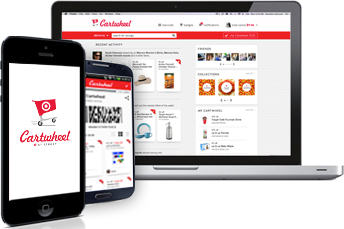
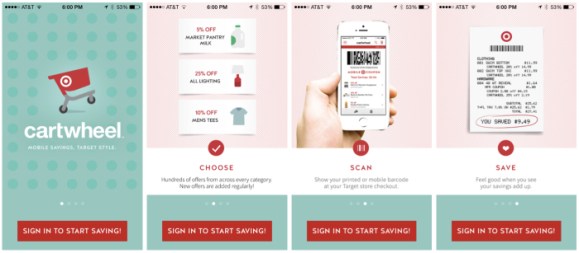
Shopper marketing was used to increase trial and association. Cartwheel, Target’s new price savings and couponing mobile app, was launched at this time. This app had the benefit of targeting existing Target customers with weren’t already buying owned brands with digital delivery, so it reduced marketing waste and eliminated printing costs. My owned brand food team was an integral part of the app design and purchased half of the available offer spots in the year the app launched. Shopper marketing tools such as online digital coupons and at-shelf activations were also used.
Digital landing pages were another key pillar of the strategy. They were used to create a hub for each brand and became a single destination for all information about the brands. All media placements focused traffic back to these pages for additional information, brand interactions, “life-hack” recipes, promotions, and offer opt-ins. It was important to utilize paid search to drive customers looking for culinary ideas, health and wellness, and deals to appropriate brand pages. In-store promotions were also integrated into the digital campaign calendar for the first time. Items being featured on digital ads were discounted in-store and online to decrease barriers to initial product trial and improve campaign consistency.

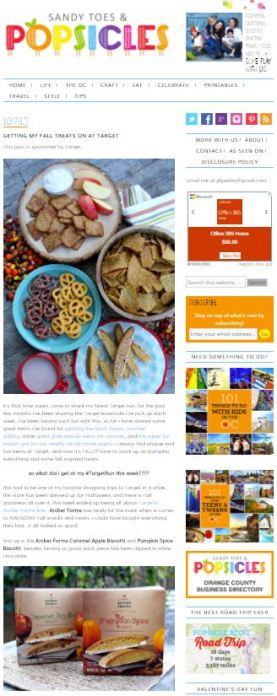
My team utilized existing Target social media properties to create food conversations with consumers about our food owned brands, rather than creating accounts for each brand. This inclusion with the master brand increased association of the brands with Target, and pushed content to shoppers who were already engaged. Social influencers were utilized to communicate unique uses for each brand. Bloggers were selected to credibly promote culinary applications, on-the-go easy, or health attributes to specific target audiences.
Result
After a year of use, A/B testing was conducted within the Cartwheel app to learn the impact the app had on sales. Owned brand offers were generating incremental sales over the control group, and were an important reason for a trip to Target for a statistically significant number of consumers in our core demographic.
The new strategy increased promotional sales 5% over the previous year, and brand impressions were up over 20%. This was accomplished with a smaller total marketing budget.
 Theodore Schweitz