Last week, I attended the Natural Products Expo West food show in Anaheim California. The show featured innovative natural and organic food and beverage delicacies. Prior to the tradeshow, industry leaders spoke about current trends.
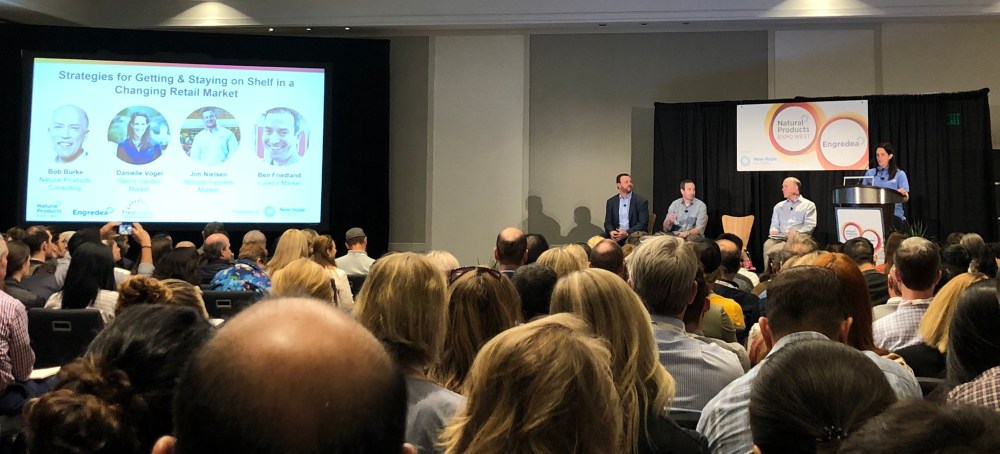
One of the sessions was a panel of retailers, including: Sprouts Farmer’s Market (national chain), Lucky’s Market (regional chain), and Glen’s Garden Market (co-op). The advice from these retailers to manufacturers was to think of retailers as media outlets for marketing content. Since consumers visit retailers’ websites and social media accounts to be inspired and investigate food purchases, they are the perfect place to tell brand’s stories. Retailers can’t create rich content for these channels without help from manufacturers because the manufacturers own the narratives that explain how food products are grown, produced, and arrive in the marketplace. Manufacturers can create a constant stream of content to tell these stories to engage consumers and retail partners. If you’re a manufacturer, you should be thinking: “Opportunity!!”
While some retailers are willing to rebroadcast manufacturer content, many manufacturers haven’t created content that tells their food narrative in a way that is compelling to the consumer, or in a way that creates stream of social posts instead of a single “about us” page. The goal should be to find the aspects of the food product’s narrative that are most appealing to consumers and create vignettes into that story, which can evolve into a stream of ongoing social posts on that topic. For example, if you sell canned olives that are gown on family farms in California, you may want to profile a different family farm each month by having them talk about their connection with the groves, and where the olives are in the growing cycle.
Food Narrative Ideas:
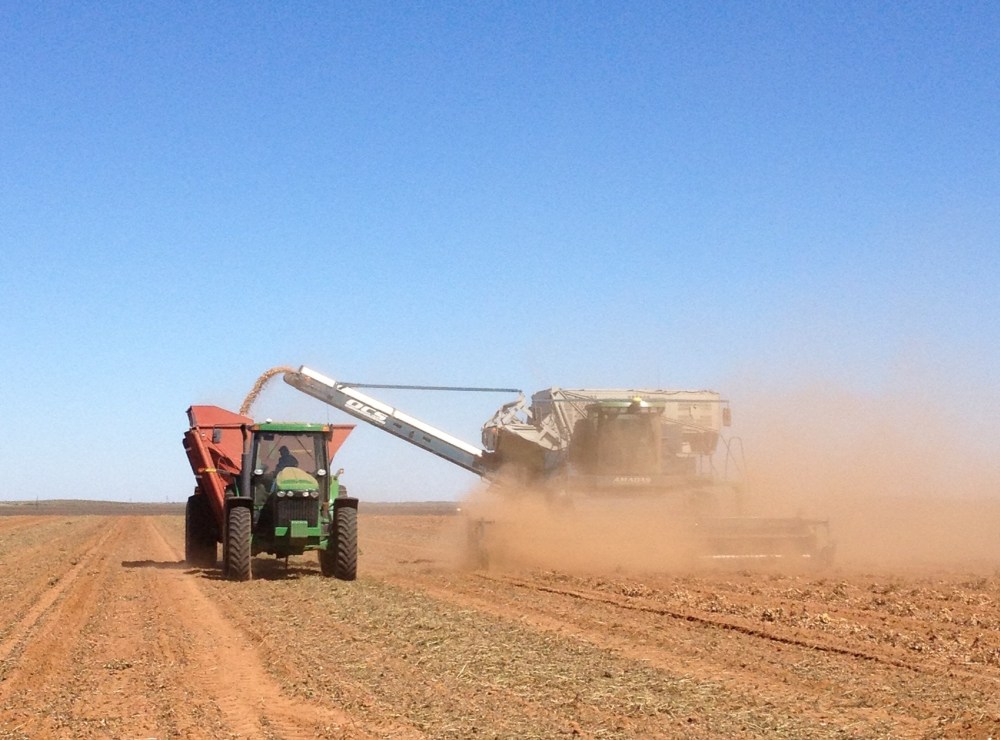
Farm Stories: Family Farms, Co-Ops, Multi-Generational Farms, Small Croppers (imported)
- Main Focus: Care for the land and crops creates wholesome food, a clean environment, and creates benefits for farm communities.
- Why consumers care: Helps consumers understand the farmers passion for creating great food, reduces consumer concern for “commercial farms,” allows consumer to see someone who benefits from their purchase.


Distance the Food Travels (or lack thereof) Before Processing
- Main Focus: How quickly the food is canned/frozen/processed after picking, e.g. “most of our canned tomatoes come from farms within 100 miles of where we can them. They go from field to can in less than 3 hours.”
- Why consumers care: creates a story around freshness, products may be processed in fresher state than the produce at grocery stores.

Retail Container/Package
- Main Focus: Explain why the product is in the package that has been chosen. If its in a can, talk about centuries of canning tradition. If it is sold in plastic, explain how much food gets wasted each year due to broken glass in supermarket supply chains.
- Why consumers care: many consumers are concerned with the environmental footprint of the packaging they consume, or the safety of the packaging. Telling them why a package has been chosen increases transparency.
Recipes
- Main Focus: Tell consumers where the flavors they will experience were created. Could be a special family recipe, or perfected over the years, or created by a brilliant chef.
- Why consumers care: Provides credibility of how the formulas were created and helps the food feel more homemade and less processed.
Facility
- Main Focus: Tell consumers where you make their food. Tell the story through the eyes of the line workers, the food safety teams, etc. Some of the most passionate people in the supply chain work the processing line.
- Why consumers care: Like farm stories, consumers what to know who is benefiting from their purchase and want to know who is making the product. Passionate people put consumers at ease and help them see the manufacturer as a transparent partner.
Once a plan for telling the brand’s story is assembled, it can be published on the brand’s social media accounts and handed off to retailers to repost. This content can also be useful for the sales team, so additional sales resources, website updates, and press releases are also effective.
This strategy works for private label too. The private label manufacturer’s food story is the retailer’s story. You can help your retailer increase the value of their private label products with enhanced content about their products. The retailer’s product pages can be a great vehicle to tell food narratives to consumers. These stories also insulate manufacturers from bids because changing vendors changes the stories associated with private label products.
Please reach out to if you’d like assistance creating content for your brand.
Panelists:
Ben Friedland VP of Marketing Lucky’s Market
Danielle Vogel Founder and Owner Glen’s Garden Market
Jim Nielsen President and COO Sprouts Farmers Market
 Theodore Schweitz